Irritable Bowel Syndrome and the Gut–Brain Axis
Why IBS is a real disorder of gut–brain interaction, how it is diagnosed, and how medical, dietary, and behavioral treatments may work together.
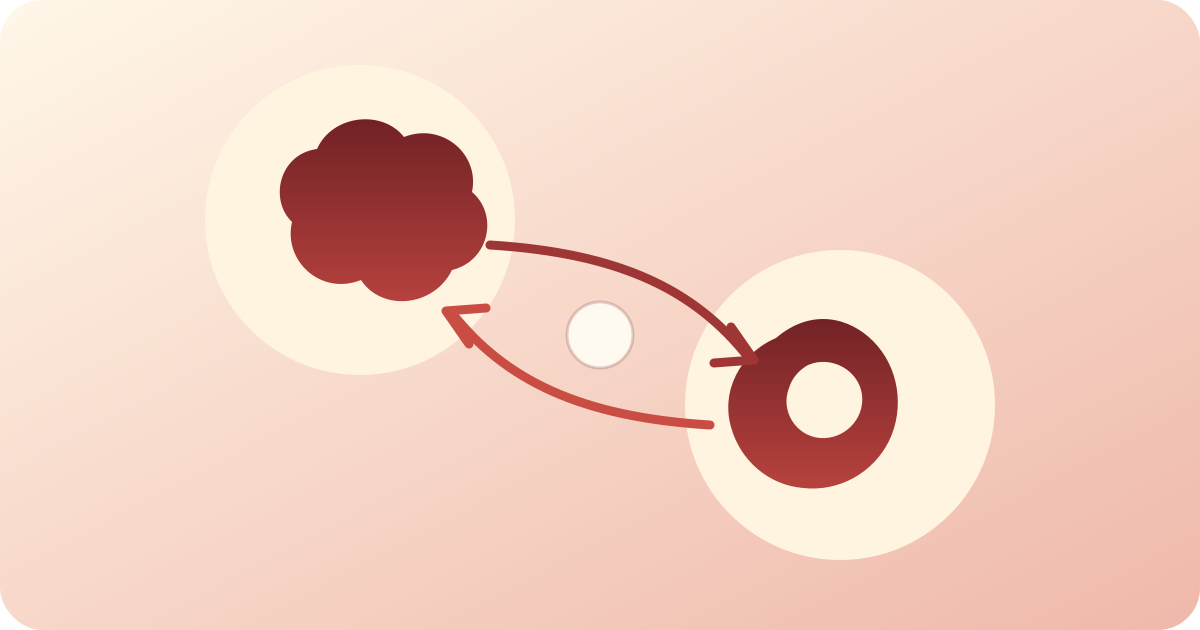
Irritable bowel syndrome (IBS) is a group of symptoms that includes recurring abdominal pain and changes in bowel movements—diarrhea, constipation, or both. IBS does not mean symptoms are imagined. It is classified as a disorder of gut–brain interaction.
What may contribute to IBS
- Changes in bowel motility.
- Increased sensitivity to normal gas or stool.
- Prior gastrointestinal infection.
- Food sensitivities or intolerances in some people.
- Changes in gut microbes.
- Anxiety, depression, early-life adversity, or ongoing stress as possible contributors—not universal causes.
- Genetic and individual susceptibility.
How IBS is diagnosed
Clinicians review symptom patterns, medical and family history, medications, diet, and physical examination. Depending on age and red flags, testing may look for anemia, infection, celiac disease, inflammatory bowel disease, cancer, or other conditions.
Treatment is individualized
- Education and a clear diagnosis.
- Medication targeted to diarrhea, constipation, pain, or other symptoms.
- Changes in fiber or specific foods under professional guidance.
- Regular meals, fluids, sleep, and activity.
- Cognitive behavioral therapy or gut-directed behavioral treatment when appropriate.
- Review of treatment response and red flags over time.
A balanced IBS review
- Record pain and bowel pattern briefly.
- Note meals, medication, sleep, and activity.
- Add stress as one contextual variable.
- Record one avoided activity or feared situation.
- Choose one medical question for your next visit.
- Do not remove more foods because of one difficult day.
Key takeaways
- IBS is a real disorder of gut–brain interaction.
- Symptoms can occur without visible tissue damage.
- Diagnosis includes checking for other conditions when appropriate.
- Medical, dietary, and behavioral treatments can complement one another.
Sources and references
Guide history
- Published
- July 31, 2026
- Updated
- July 31, 2026
Related guides
Emotions, Stress, and Digestion: The Gut–Brain Connection
How the brain and digestive tract communicate, why stress may change appetite and bowel function, and when symptoms need medical evaluation.
Read article
Anxiety and Physical Symptoms: Breaking the Fear Cycle
How anxiety can intensify dizziness, muscle tension, stomach distress, and body monitoring—and what helps after medical safety is addressed.
Read article
A Support Plan for Body and Emotions: Where to Start
A seven-step plan for medical safety, symptom tracking, nervous-system support, psychological care, and ongoing review.
Read article