
Emotions, Stress, and Digestion: The Gut–Brain Connection
How the brain and digestive tract communicate, why stress may change appetite and bowel function, and when symptoms need medical evaluation.
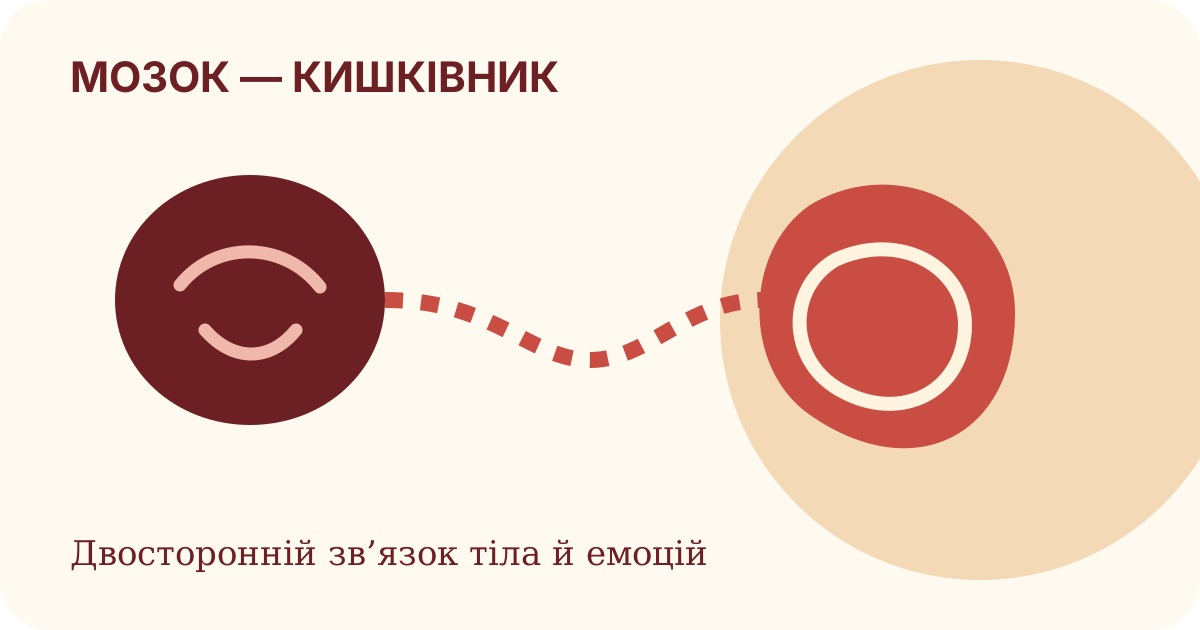
The brain and digestive tract communicate through nerves, hormones, immune signaling, and behavior. Stress can change appetite, motility, nausea, bowel urgency, and sensitivity to normal gas or stretching. Digestive symptoms can also increase anxiety, embarrassment, and avoidance, creating a two-way cycle.
How the nervous system may affect digestion
- Speeding up or slowing down bowel movement.
- Changing appetite and eating patterns.
- Increasing sensitivity to pressure or stretching.
- Influencing nausea and urgency.
- Changing behavior, such as skipping meals or avoiding many foods.
- Amplifying attention to digestive sounds and sensations.
A brief digestive log
- Record main meals without documenting every ingredient.
- Note the symptom, time, and approximate intensity.
- Add bowel pattern, sleep, activity, medication, and menstrual cycle if relevant.
- Rate stress as context, not proof of cause.
- Review the pattern after two or three weeks.
- Discuss major diet changes with a clinician or registered dietitian.
What may support digestion
- Regular meals when medically appropriate.
- Adequate fluids.
- Physical activity that fits your condition.
- Sleep and a predictable daily rhythm.
- Targeted diet changes based on diagnosis.
- Psychological treatment when fear, shame, or avoidance is a major part of the problem.
Key takeaways
- The gut and brain communicate in both directions.
- Stress can influence symptoms without being the sole cause.
- Functional digestive disorders are real medical conditions.
- Excessive food restriction can cause harm.
Sources and references
Guide history
- Published
- July 31, 2026
- Updated
- July 31, 2026
Related guides
Irritable Bowel Syndrome and the Gut–Brain Axis
Why IBS is a real disorder of gut–brain interaction, how it is diagnosed, and how medical, dietary, and behavioral treatments may work together.
Read article
How Stress Affects the Body: Nervous System, Symptoms, and Recovery
Why stress can show up as muscle tension, headaches, stomach symptoms, palpitations, sleep disruption, and fatigue.
Read article
Anxiety and Physical Symptoms: Breaking the Fear Cycle
How anxiety can intensify dizziness, muscle tension, stomach distress, and body monitoring—and what helps after medical safety is addressed.
Read article